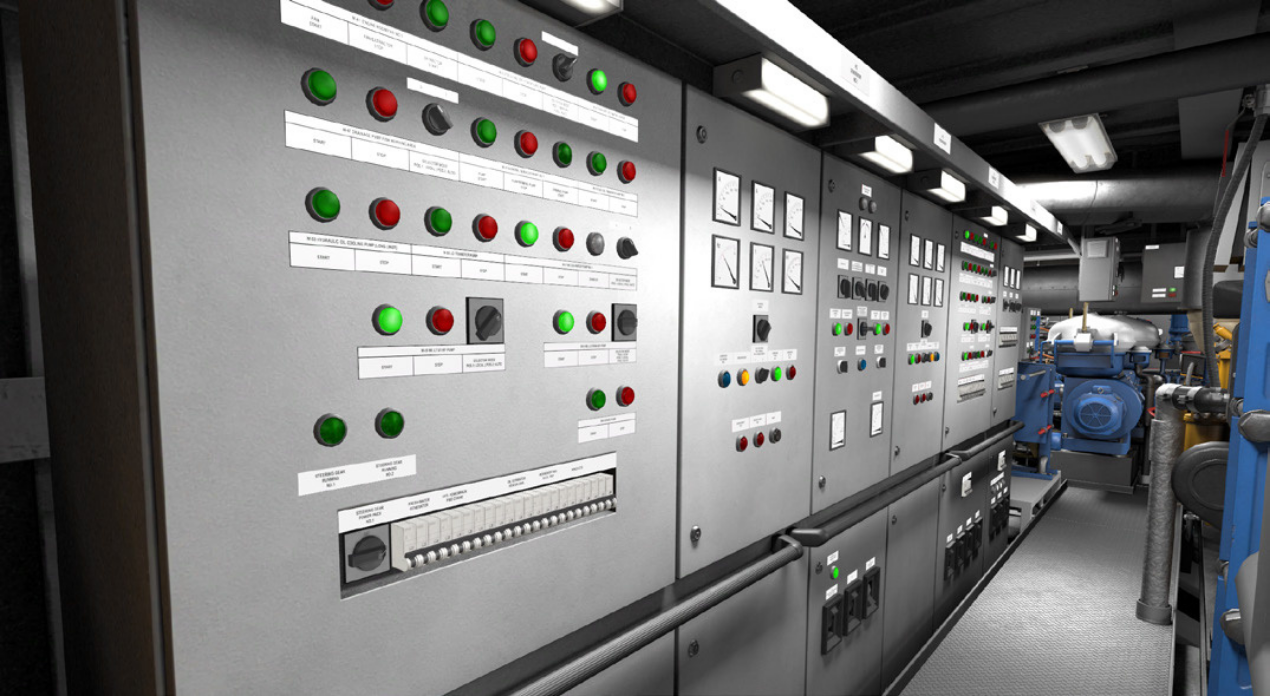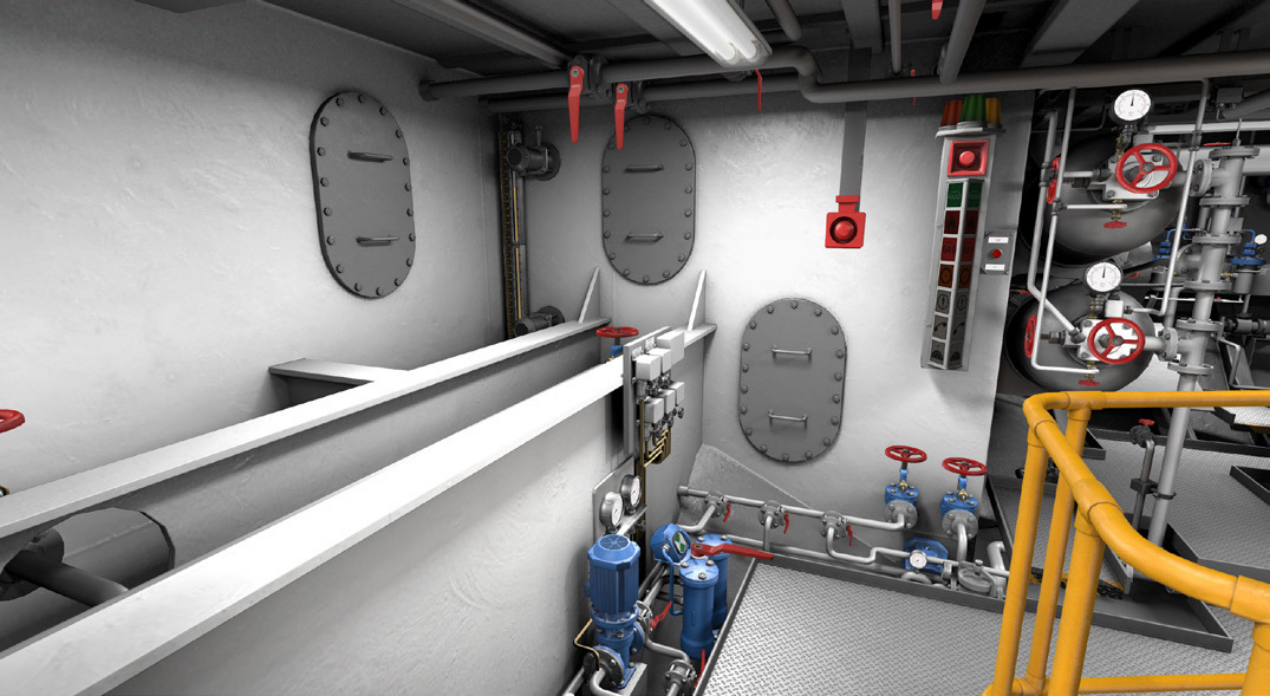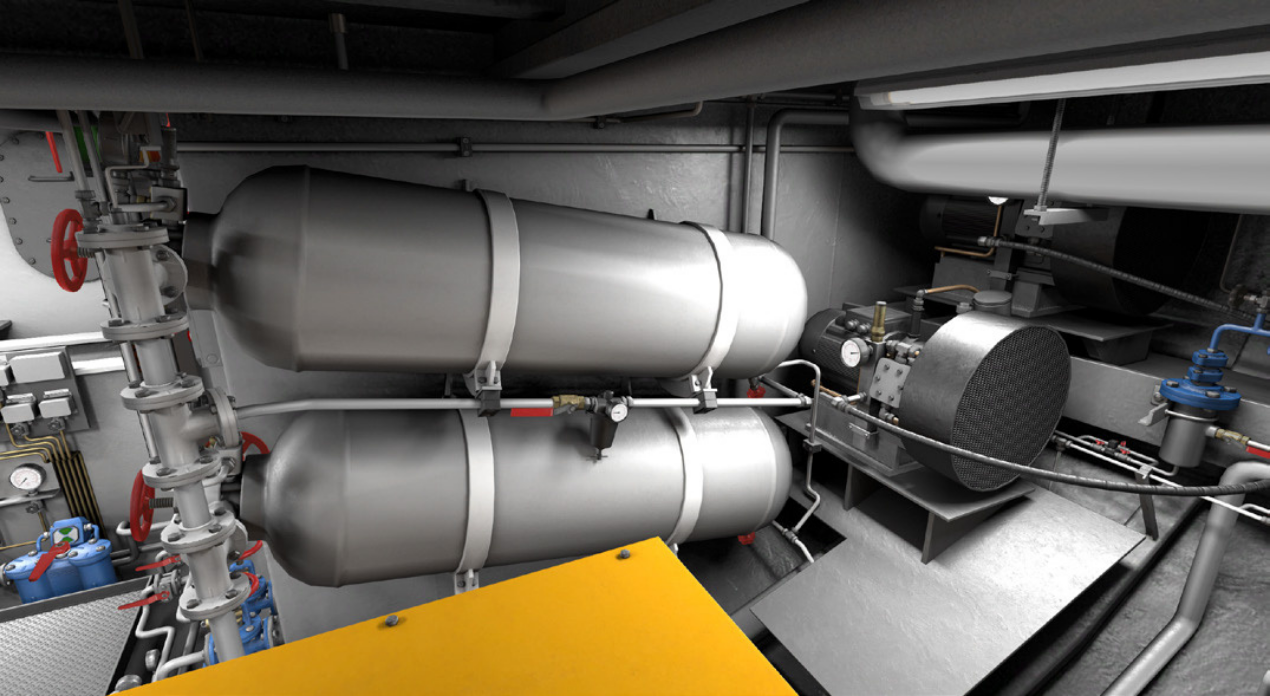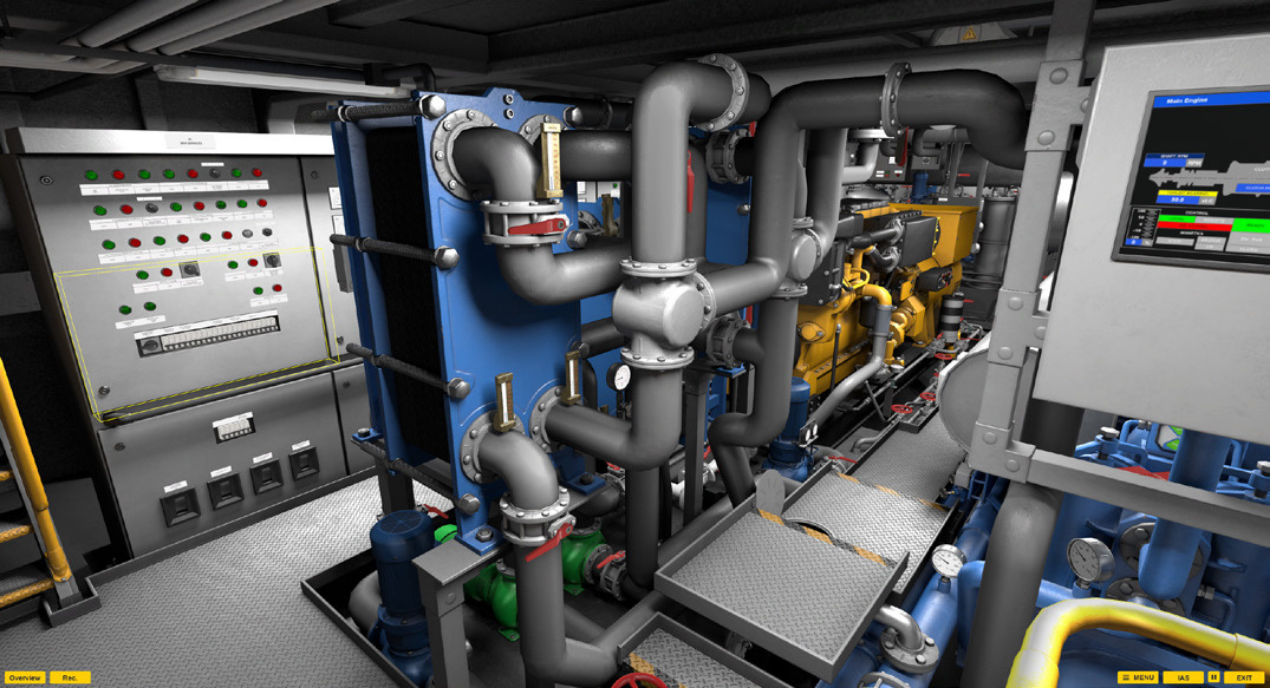

Fishing Vessel Engine Room Simulator Madidihang 3
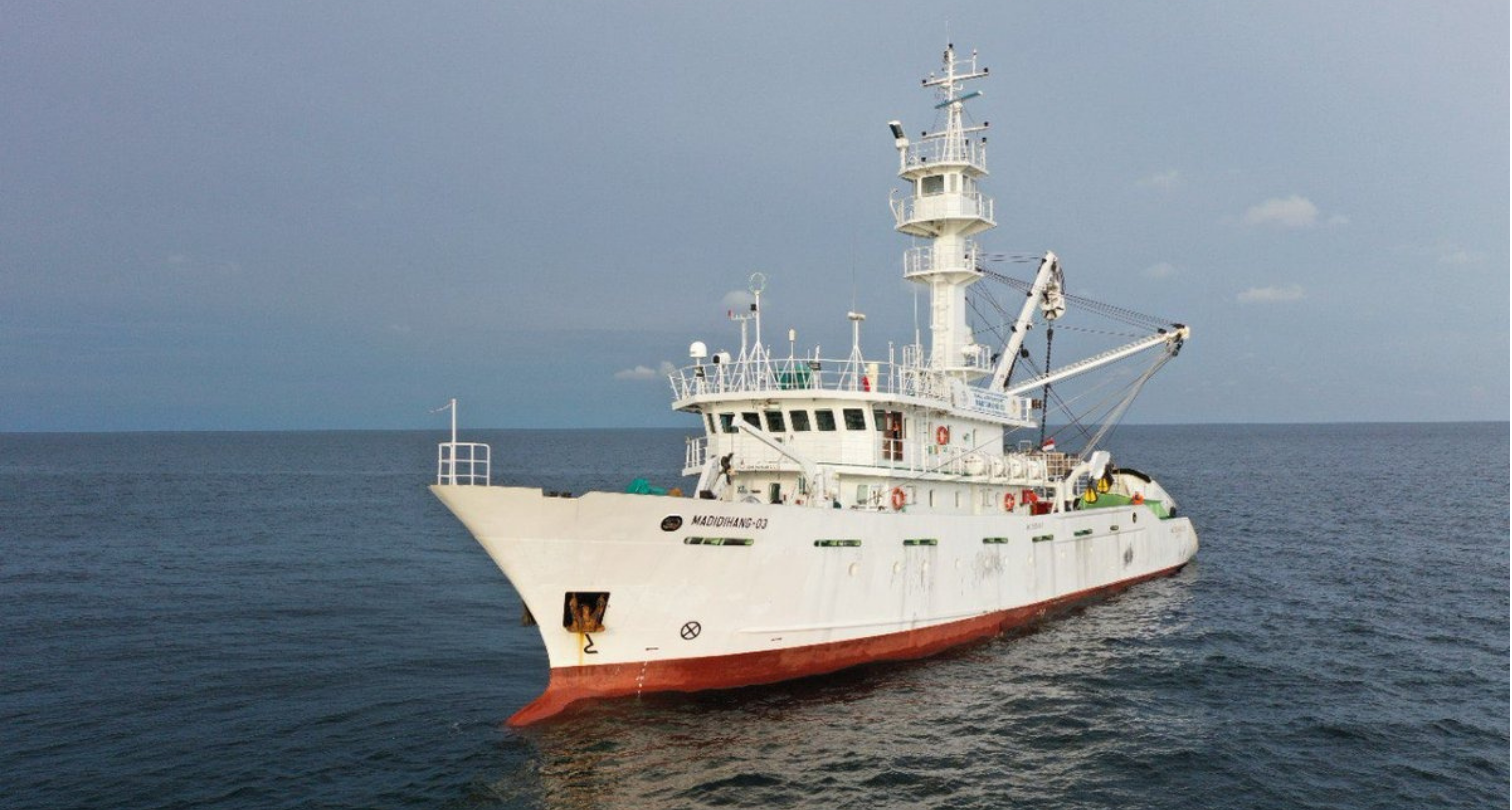
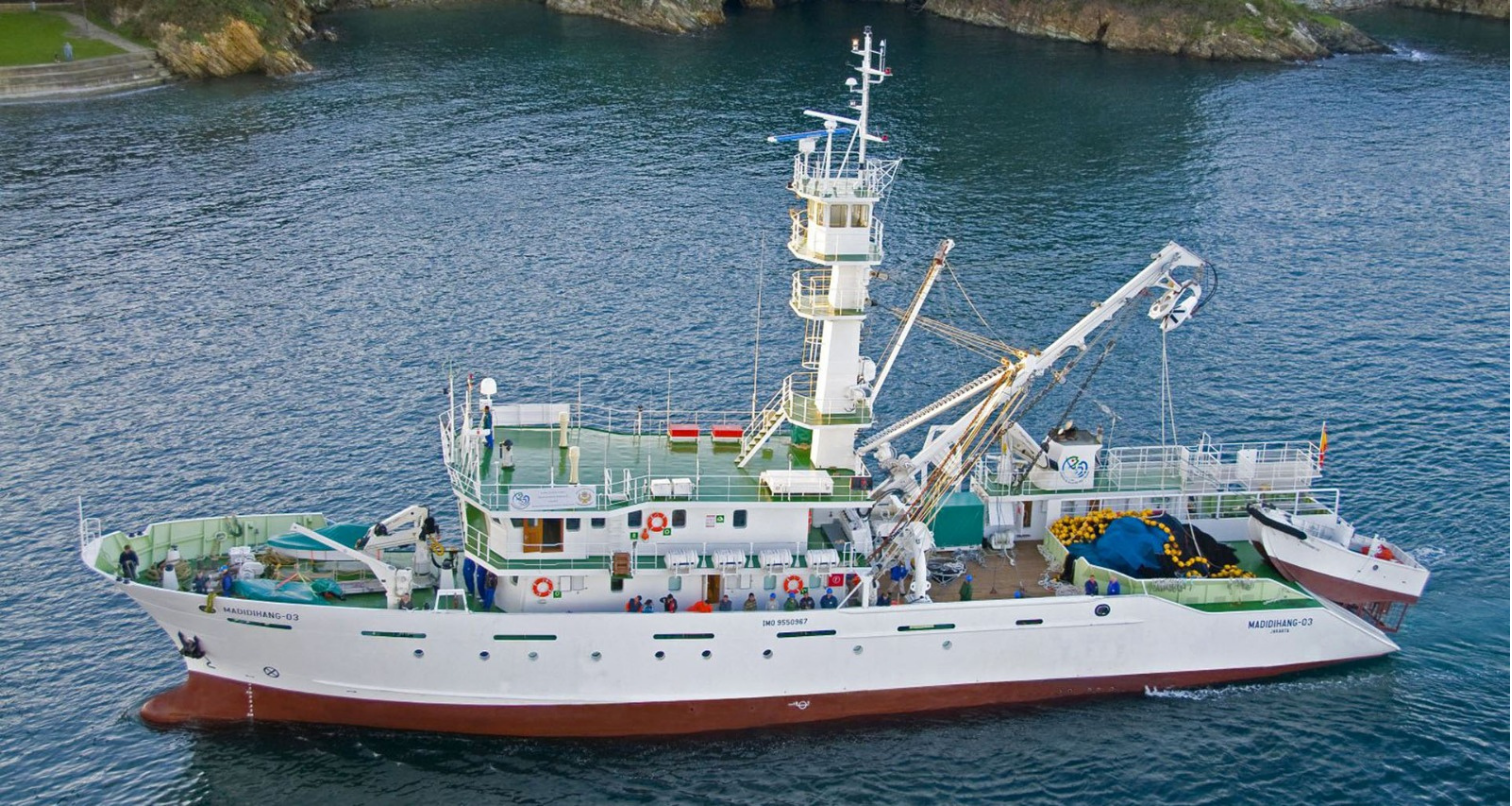
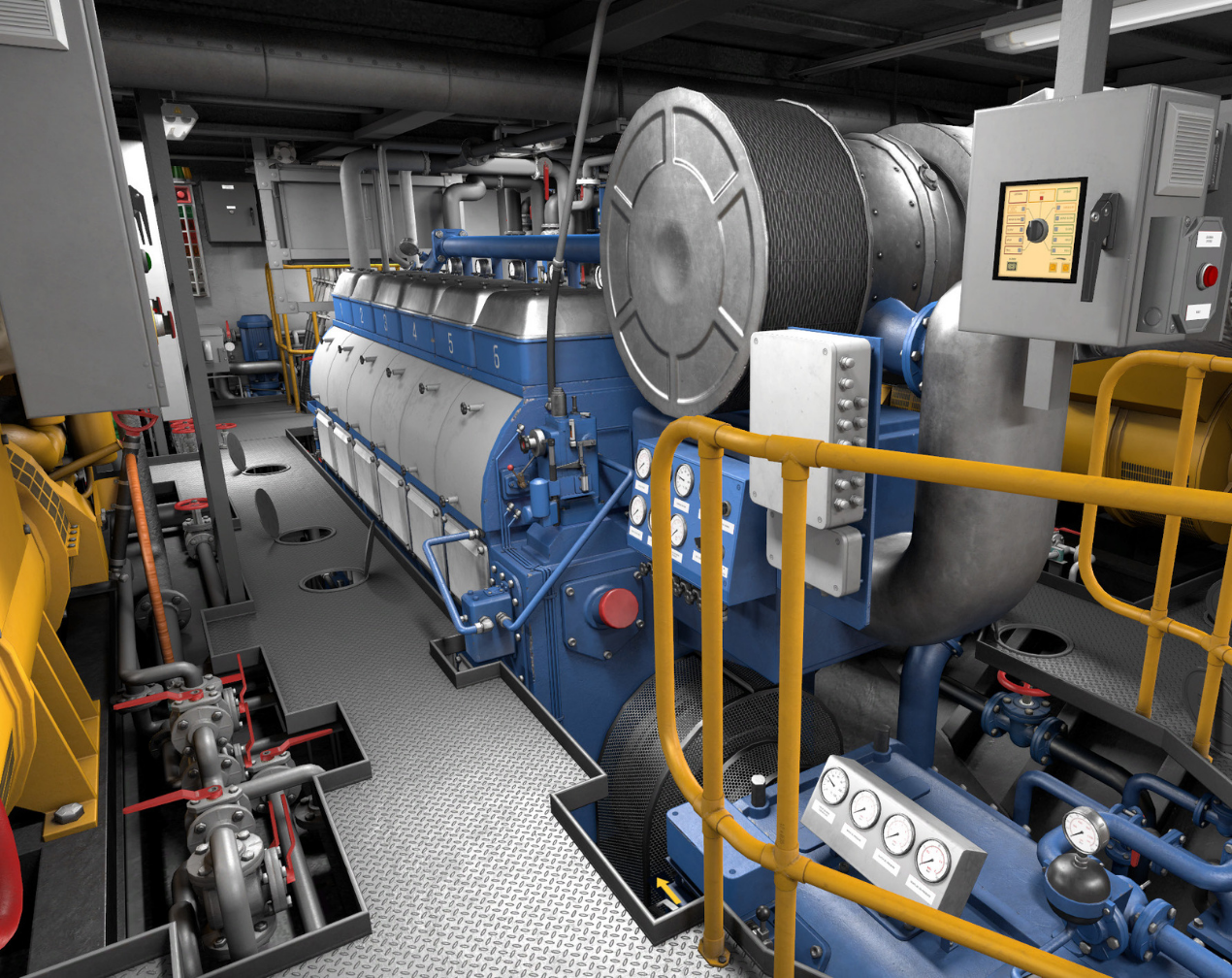
Unitest Fishing Vessel is based on an engine room equipped with one four-stroke medium-speed engine with CPP propeller. The ship’s power plant consists of two generator sets and one emergency generator. The simulator is designed for training students of maritime academies as well as of different types of marine vocational training centers. The simula- tor has universal features and may be used both for training merchant and navy fleet crews. The main purpose of the simulator is the practical preparation of the trainee for engine
room operation, and more particularly:
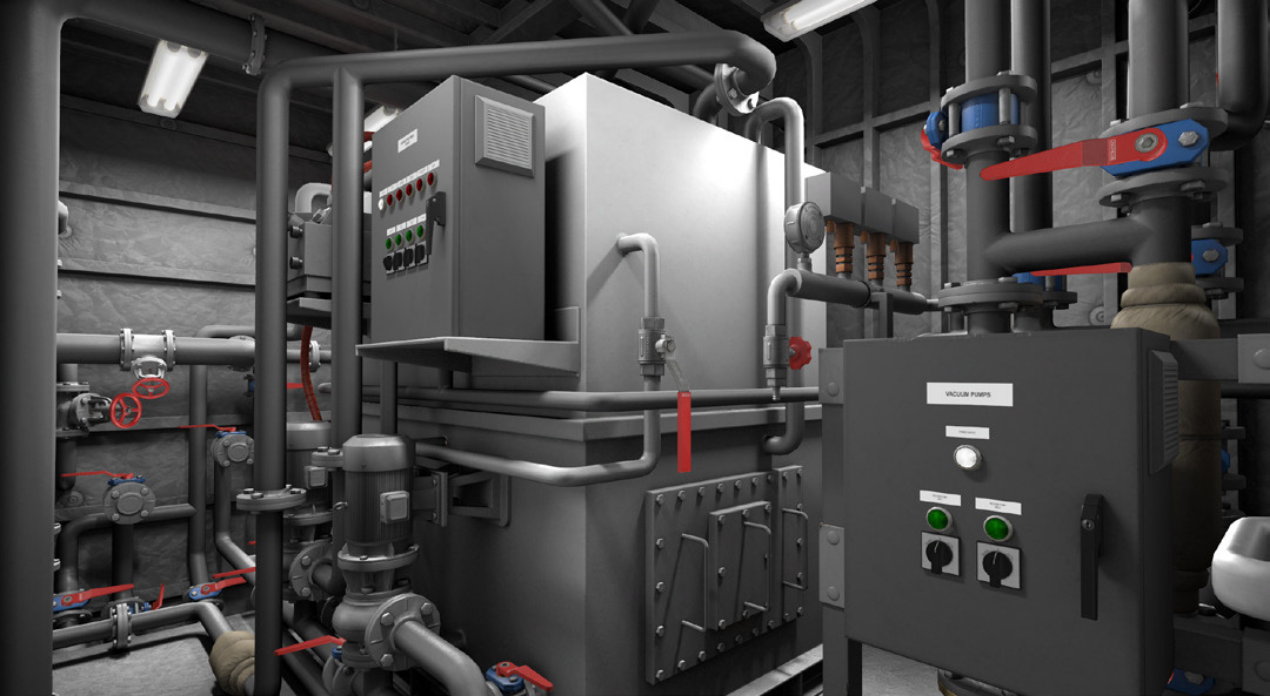
• familiarization with the basic engine room installation (compressed air system, fresh and sea water cooling system, lubricating and fuel oil system etc.);
• acknowledgment with main engines and auxiliary equipment operating procedures;
• propulsion system maneuvering.
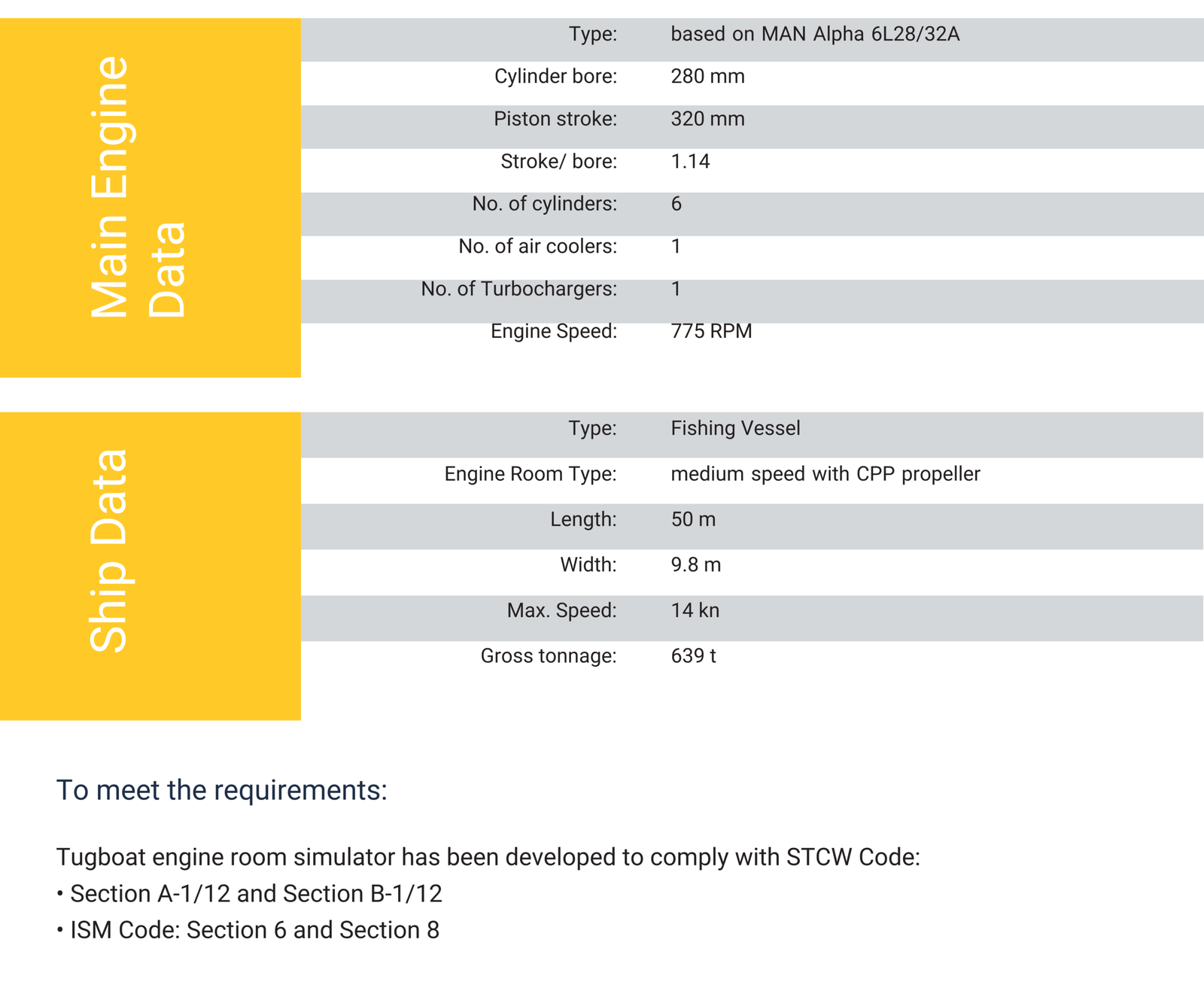
Engine model and control systems The Fishing vessel simulator offers a detailed simulation of the behaviour of the modelled engine with regard to the operational aspects, its functionality and performance. The simulator
includes the following systems:
• Proplusion Control System including main engine and reduction from local and remote positions.
• Electric System which contains all standard functions, such as load sharing, synchronising and generator operation.
• The Alarm and Monitoring System allows the operator to control all propulsion system equipment parameters.
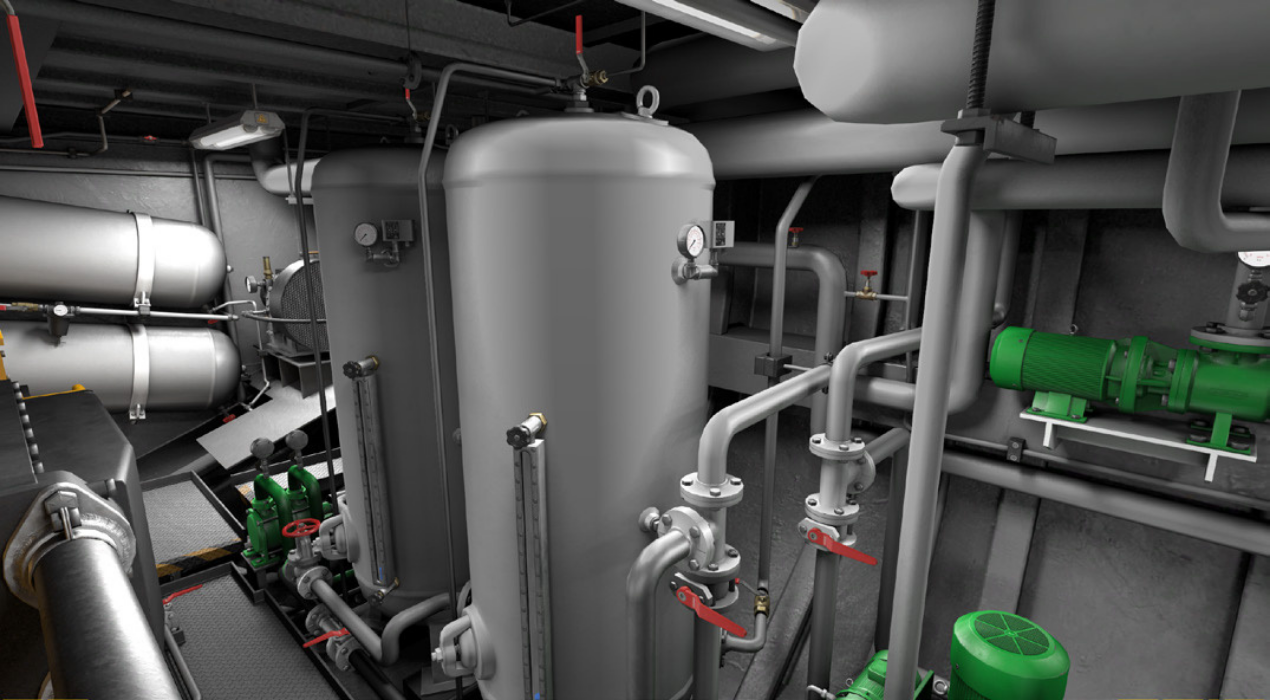
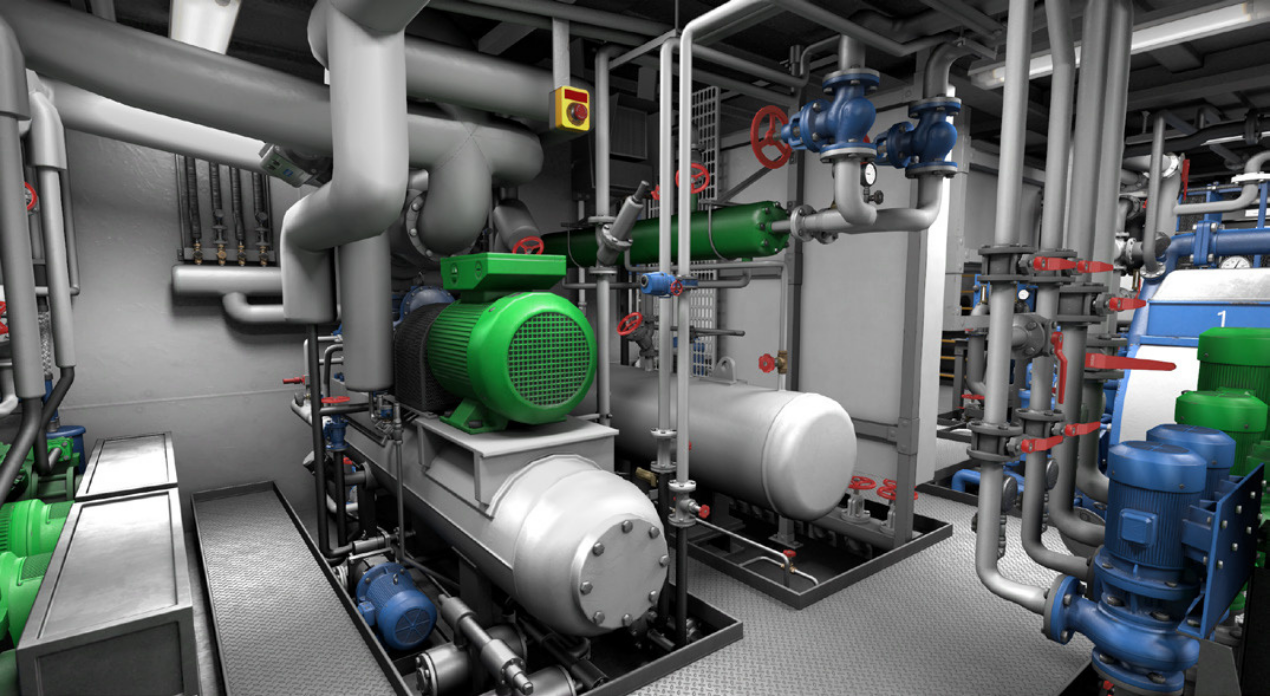
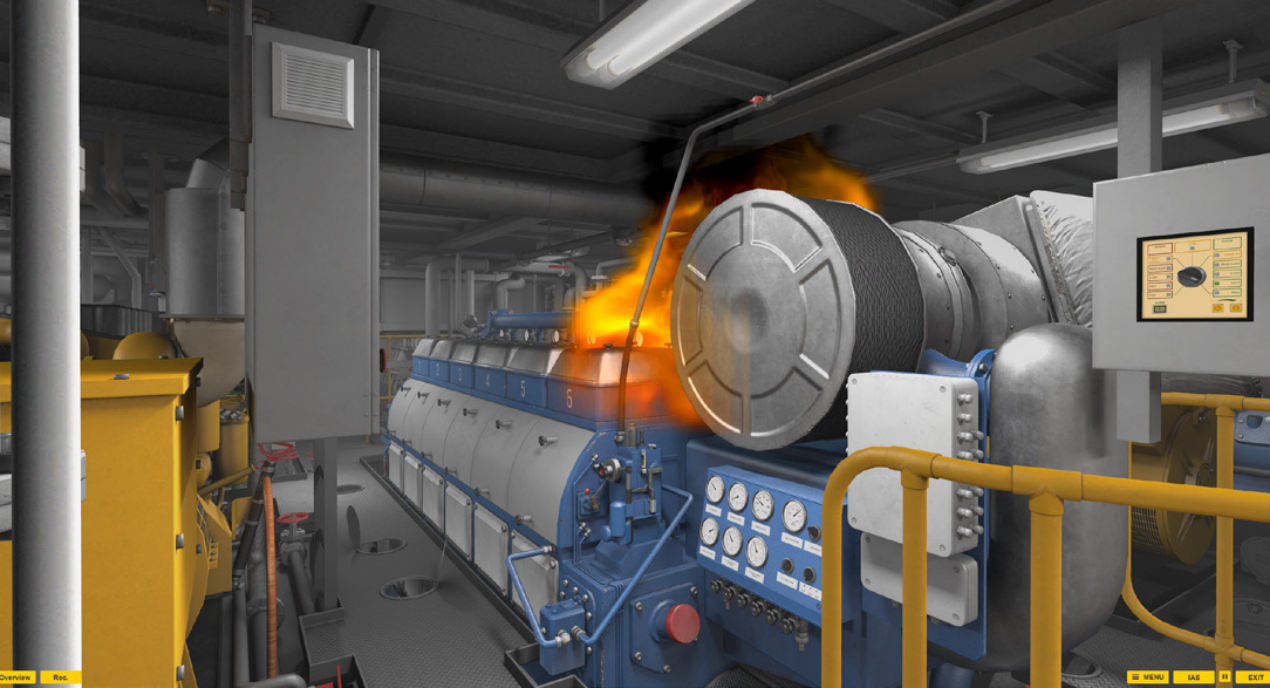
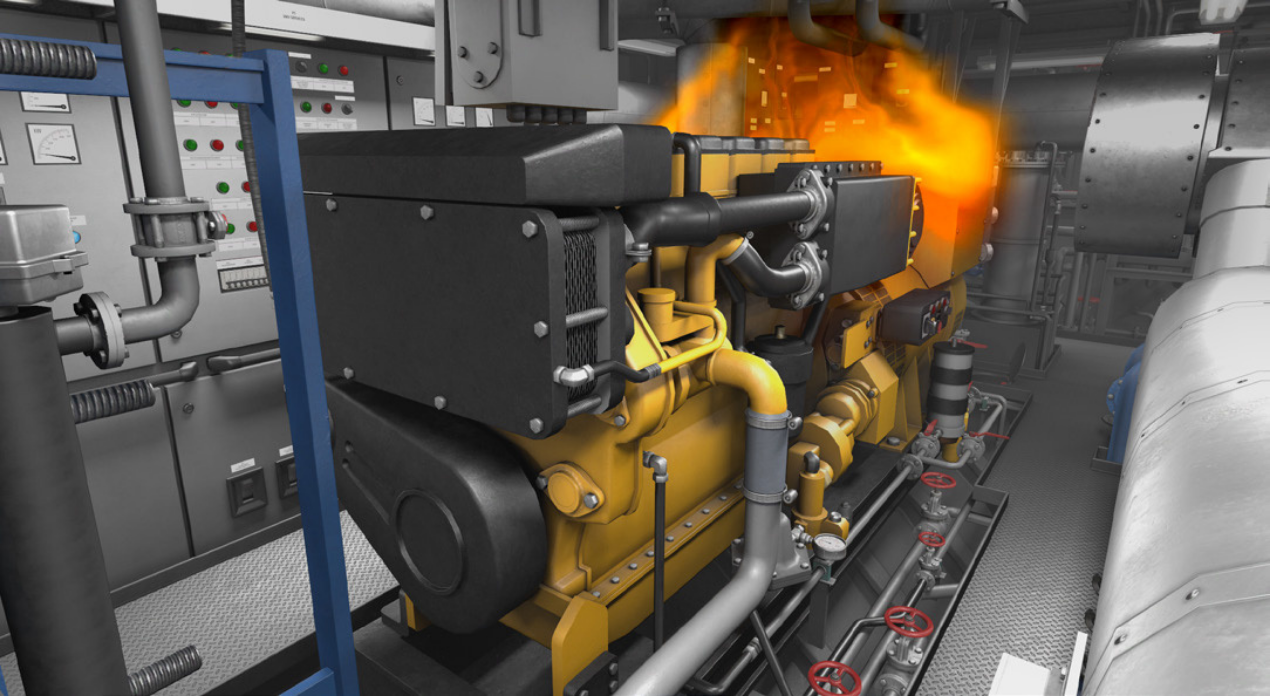
The optimal approach ensuring the realism of engine room operation training is achieved by integrating a very realistic mathematical model and high-fidelity 3D presentation. The Tugboat simulator offers highly realistic graphics of engine details that are directly connected to the real control diagrams.
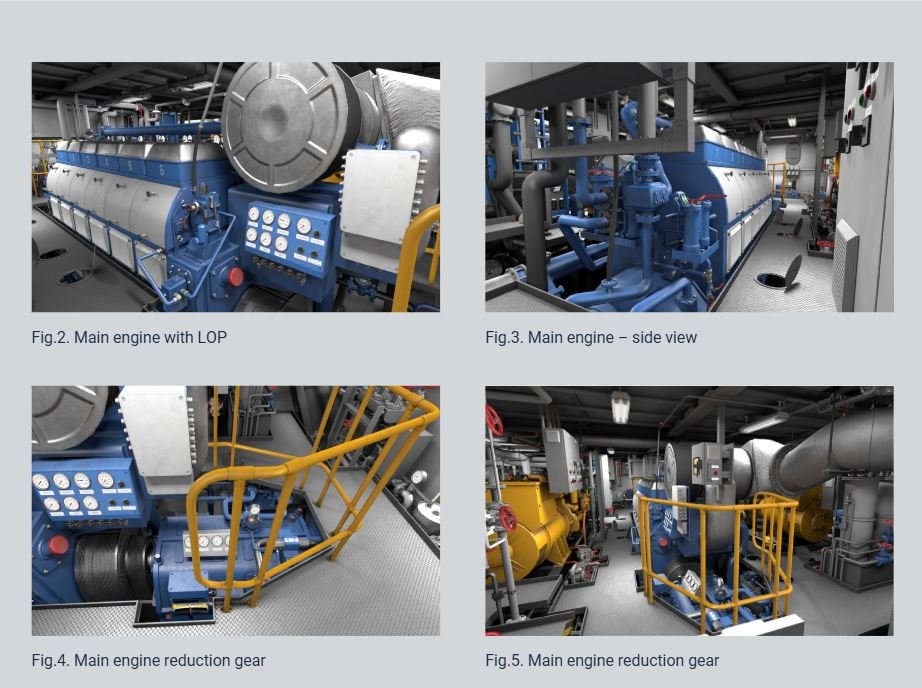
Engine Room overview All operations in Fishing vessel simulator can be done in specific system installation and
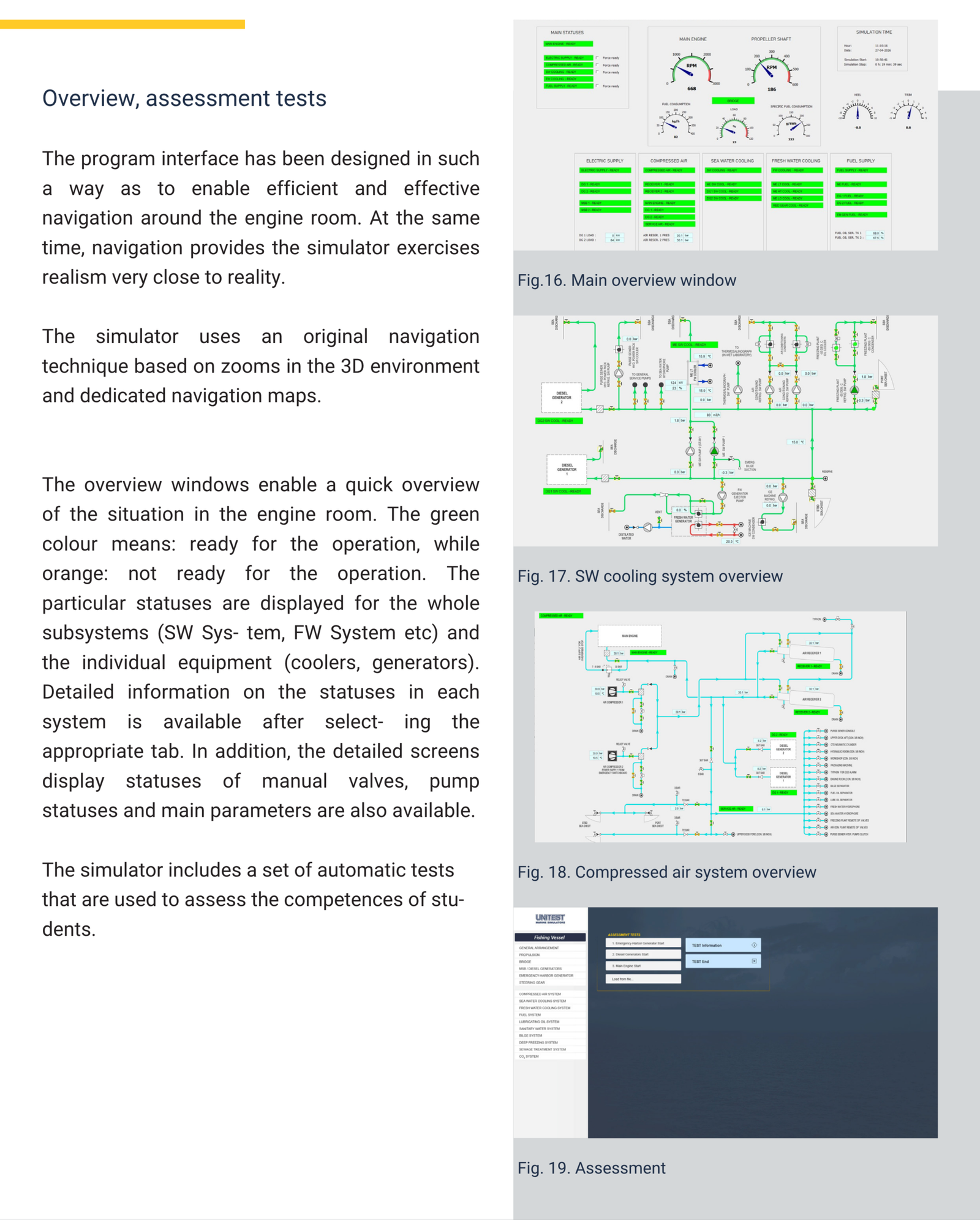
compartments. Each system is presented as a real vessel’s schematic drawings or compartment with the ability to control on the screen. The most important components of the scheme can be zoomed and directed to the proper location in the engine room to operate.
The simulator is divided into the following modules:
• Propulsion System
• MSB/Diesel Generators
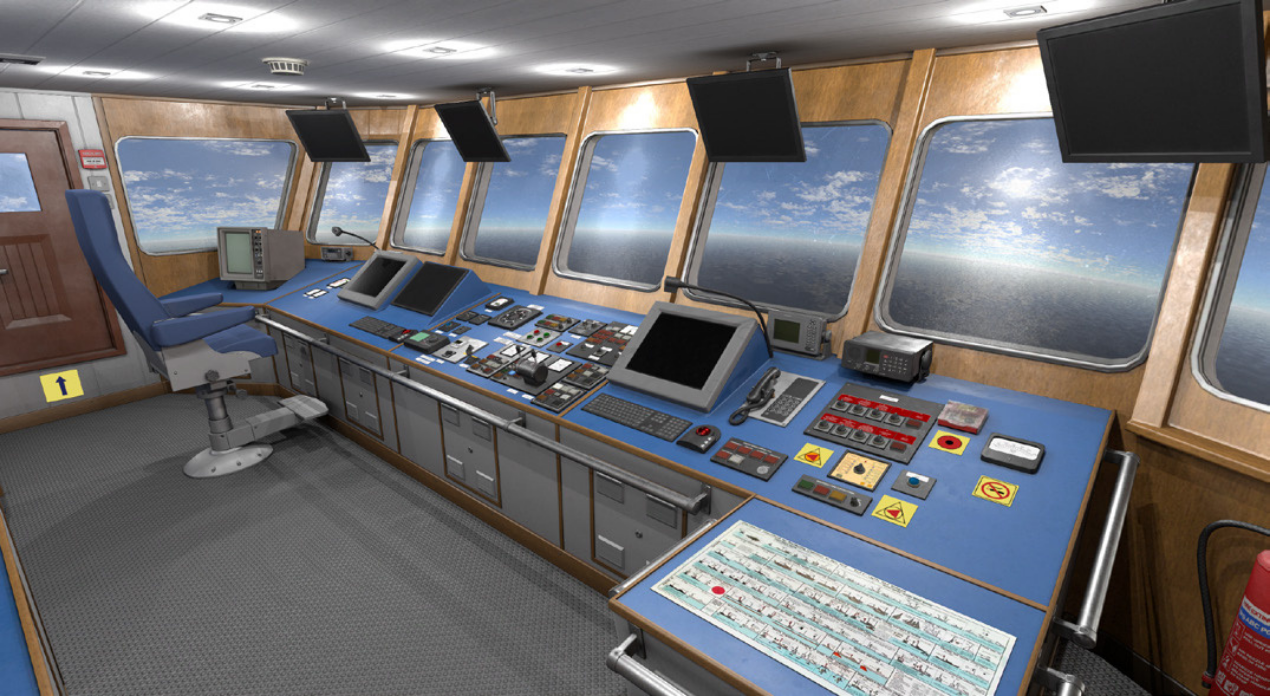
• Bridge
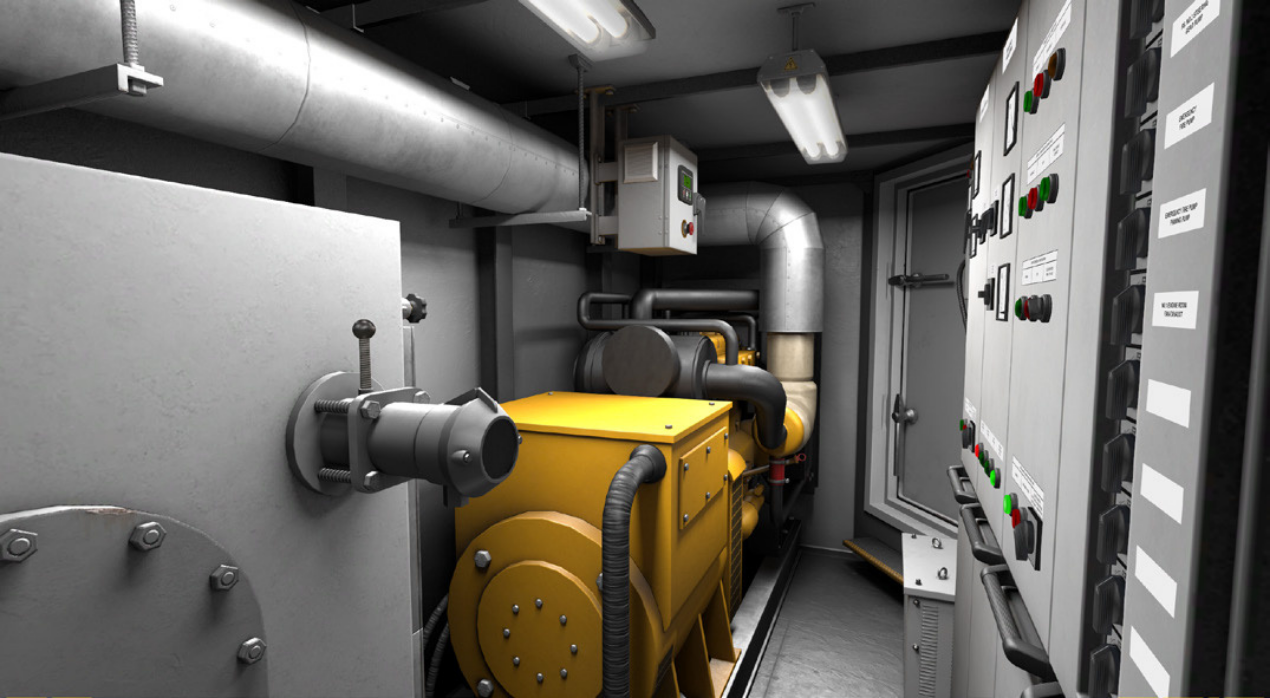
• Emergency-Harbor Generator
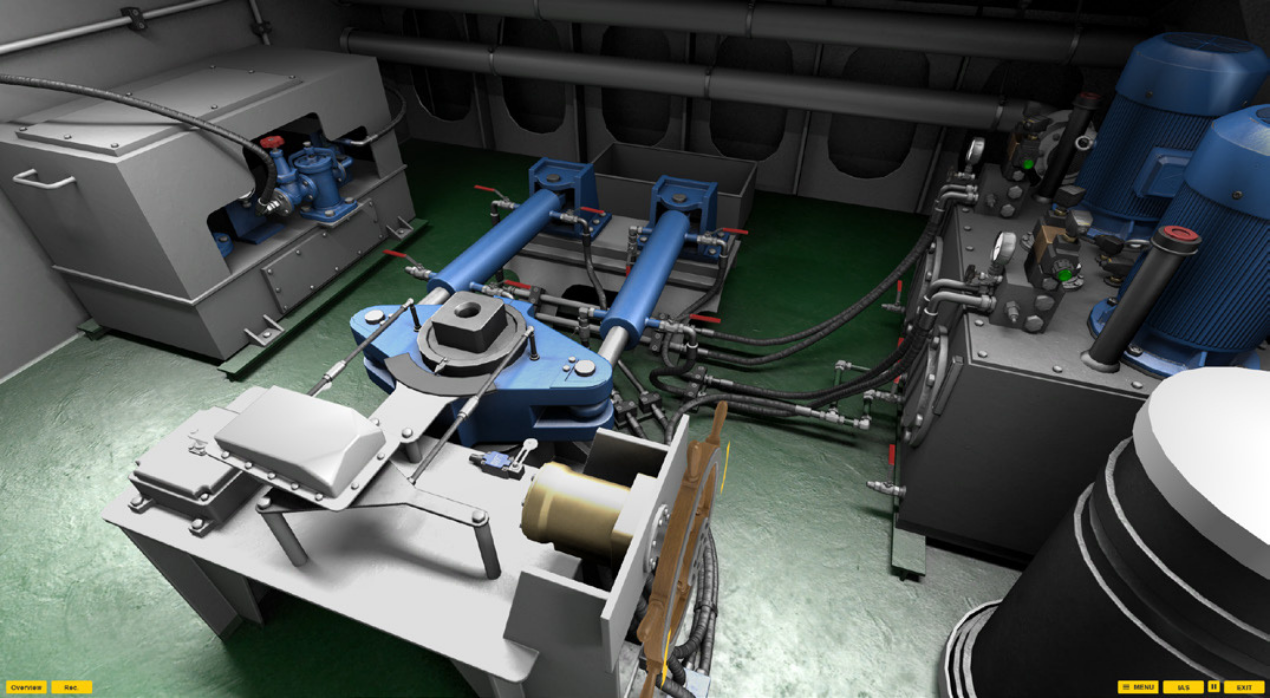
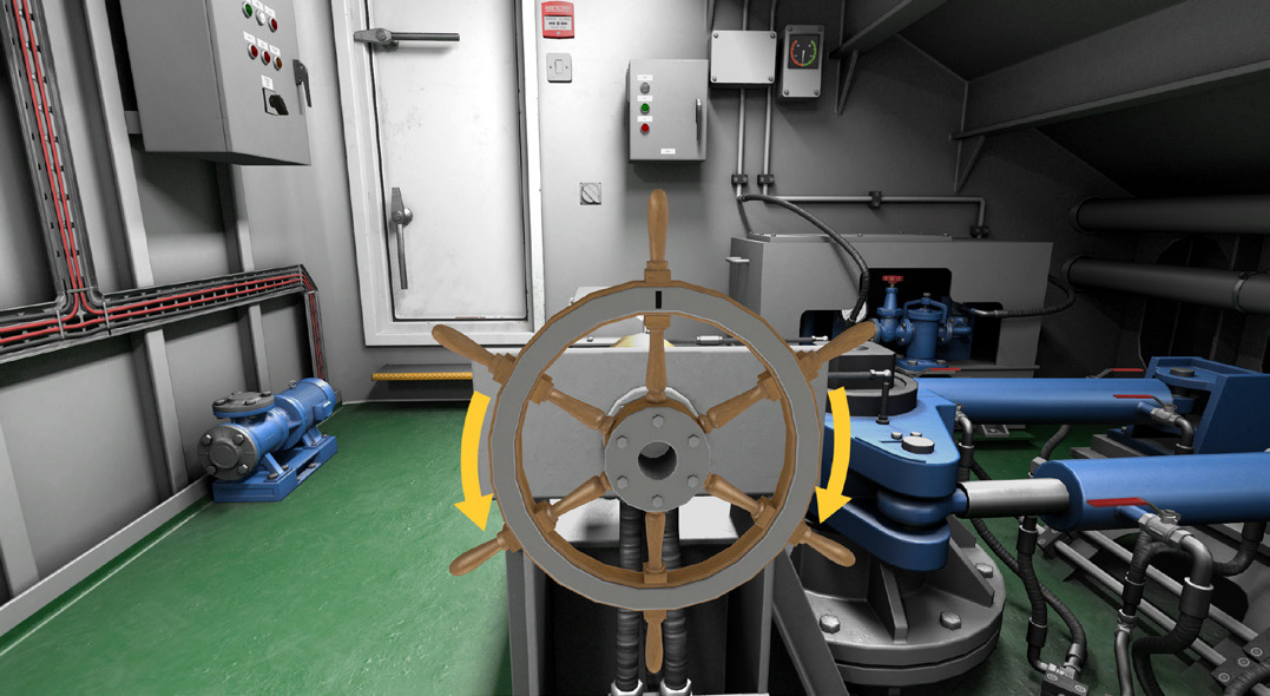
• Steering Gear
• Compressed Air System
• Sea Water Cooling System
• Fresh Water Cooling System
• Fuel System
• Lubricating Oil System
• Sanitary Water System
• Bilge System
• Deep Freezing System
• Sewage Treatment System
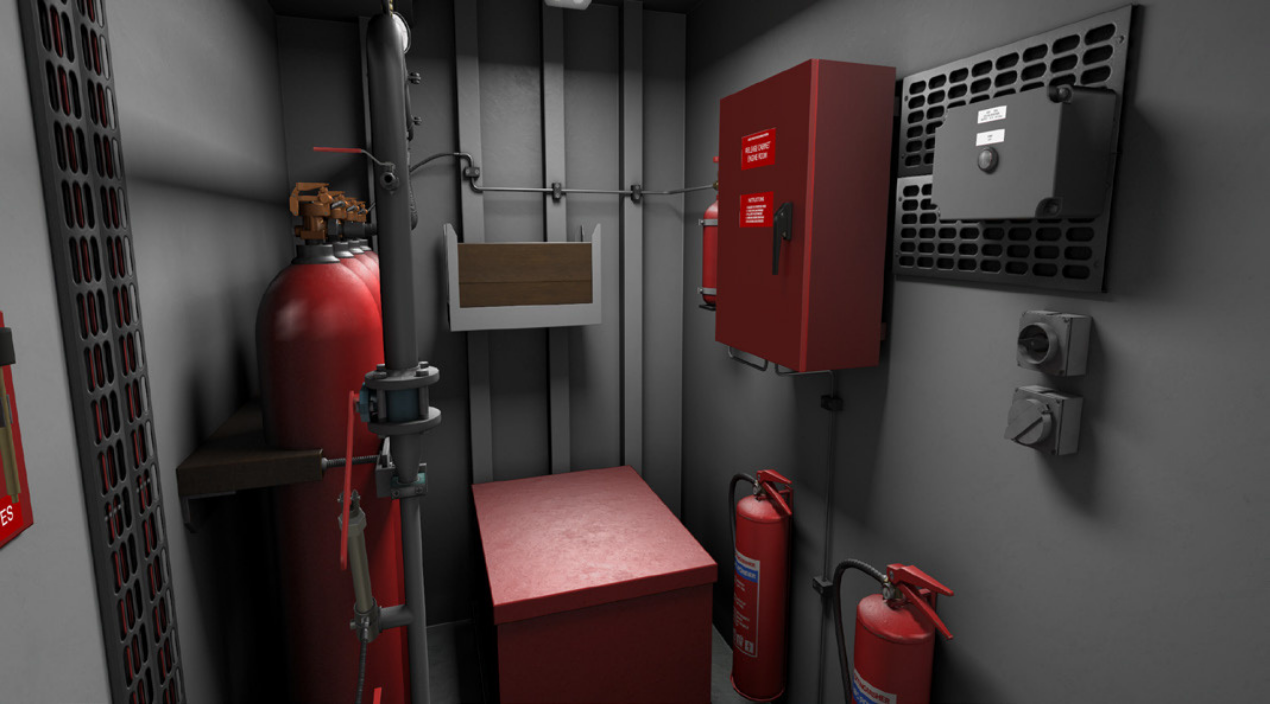
• CO2 System